Lucy (2014) by Luc Besson
In this opening scene from Lucy (2014) we see Scarlett Johanson’s character Lucy conversing with some other characters outside a hotel before she is taken away/kidnapped following her conversation with the reception staff. All 5 key micro-elements of film (cinematography, mise-en-scene, performance, sound and editing) are used to their fullest potential here.
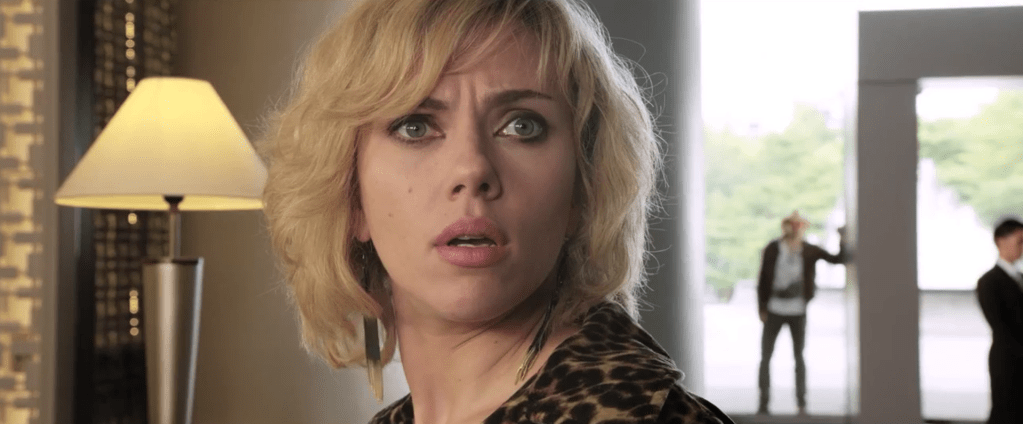
We see Luc Besson’s interesting choices of cinematography such as a large amount of medium close-up shots, as well as some extreme close-up shots. He also uses shot/reverse shot rather frequently, during the speech moments of the scene. We see the use of tracking shots to follow the bodyguards as they move through the building, as well as tilt when we first get to see the bodyguards. At the beginning of this scene, the handheld camera is slightly shaky and unstable, showing that when Pilou Asbæk’s character, Richard, pressures Lucy into delivering the briefcase to Mr. Jang, it reflects Lucy’s loss of control and vulnerability or unwilling to the situation. It creates tension and realism for the spectator as we see Lucy’s rationality; it visually puts us in her anxious, unstable mindset. Then, the medium close-ups on Lucy’s face – especially her eyes and expressions – emphasise her emotional state (confusion, fear, disbelief, etc). Here the camera prioritises her vulnerability over the situation’s action. It’s about her experience, not the crime itself. Lighting is also key in this sequence, one great example of this is the Bright daylight outside the hotel vs the harsh, artificial interior lighting when she’s taken inside. This could be a visual metaphor suggesting Lucy is crossing from a normal world (light) into the dark, criminal underworld (shadow).
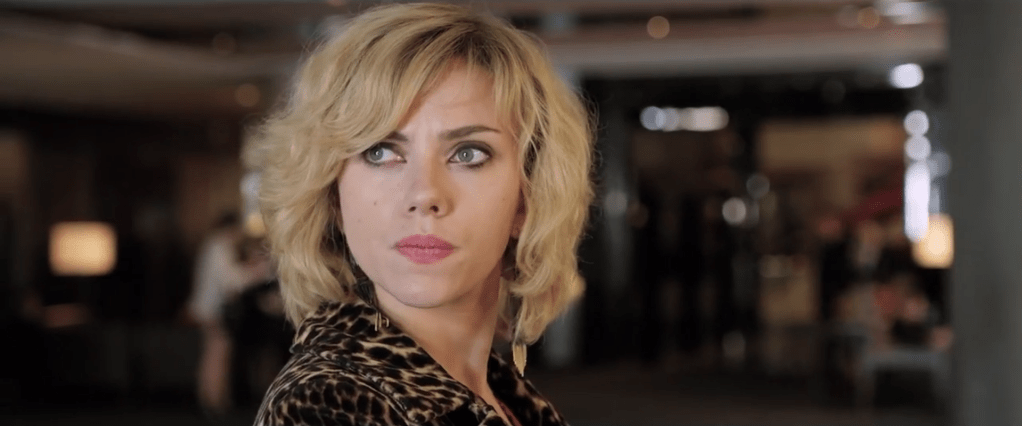
Luc Besson’s decisions for mise-en-scene are equally interesting. We get a flashback from Lucy right away about a night where they are out drinking, doing drugs, etc, presumably the night before, and both Lucy and Richard are in the same clothes as that flashback, suggesting that their costume design is implying the type of lifestyle they have, which could also suggest the reason why they get involved in this world. The briefcase is the main/central prop in this scene. It’s mysterious, sleek, silver, and cleanly designed which symbolises the temptation, control, and transformation. It’s modern, almost sci-fi appearance foreshadows the technological/evolutionary themes later in the film. And also, the fact that Lucy doesn’t know what’s inside reflects how she’s being drawn into a world beyond her comprehension, she’s literally holding her own future without knowing it. The setting is a bright, public space, bustling with normal life with people walking, traffic moving, and natural daylight. It symbolises safety and normality. Lucy still has some control here; the world around her feels familiar and open. However, within the hotel, suddenly, the environment changes to cold, sterile, and claustrophobic. Long corridors, closed rooms, glass, and metallic surfaces are all there is to see. Therefore, the sterile corporate setting mirrors how Lucy is going to be treated later, as an object in a transaction, not a person. It also contrasts life (outside) vs. control and death (inside)
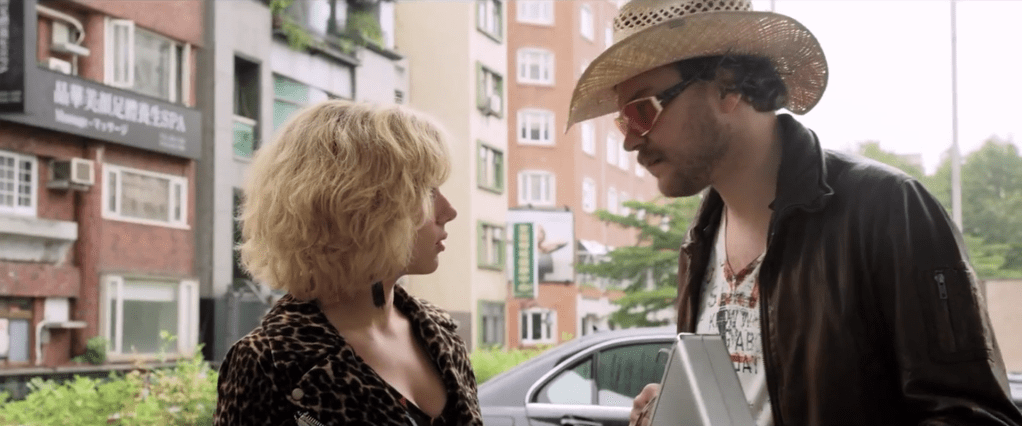
The performance in this scene is noteworthy because it shows the spectator what the characters are ‘actually’ like – before the theme of the film changes, this can be seen here with Lucy’s body language. At the start of the scene, Lucy stands loosely, shoulders relaxed, she’s natural, casual, even slightly flirtatious when talking to Richard. However, once he tries to make her deliver the briefcase, her body tightens. She crosses her arms, steps back, and shakes her head. This shift from openness to defensive posture reflects her loss of safety and growing anxiety. Her body language communicates fear and resistance long before she says anything directly about the situation. Lucy is pulled and pushed through most of the scene, literally manhandled. So, Scarlett Johanson’s performance here is showing the way that Lucy is physically moved like an object, highlighting her powerlessness and sets up the film’s later theme of reclaiming control over her body once the drug is inside her.
Throughout the sequence there are cutaways which go straight into silence. The sound choices here are very rich with meaning. Such as when Lucy realises, she can’t escape, there’s a brief drop in ambient sound during a cutaway, leaving almost total silence before the next burst of action. That silence acts like a void of control, it isolates Lucy’s fear and forces the audience to focus entirely on her emotions. Alternatively, as Lucy’s panic grows, the background synchronous sounds seem to fade out slightly, the world becomes quieter, while her breathing and heartbeat grow louder. This pulls us into her subjective experience which means that we hear the world as she does, in a state of panic and tunnel vision. Inside, the reverb and echo of voices in the hotel corridors make the space feel larger but more confining. This could be an auditory metaphor for entrapment.
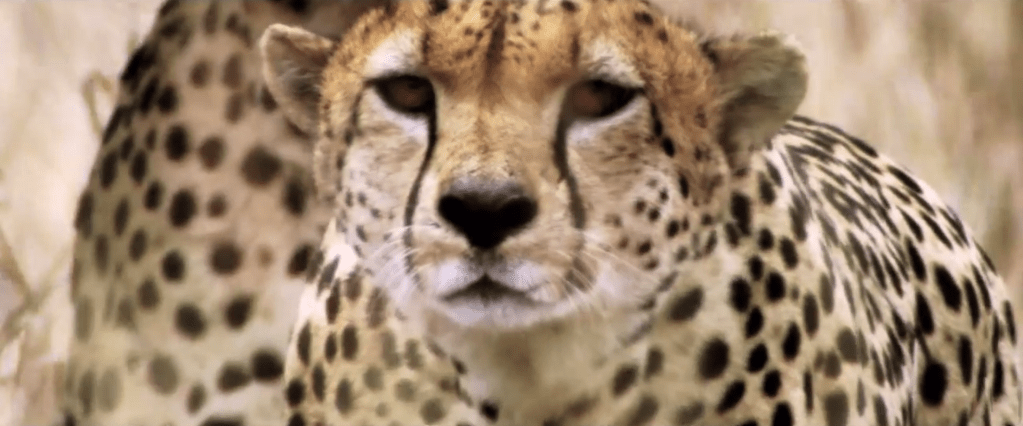
Finally, the editing in this scene is almost genius, Besson uses match cuts and juxtaposition between the animal world and the human one throughout the build-up to Lucy’s abduction, Besson cuts, using discontinuity editing, between the live-action narrative (Lucy outside/inside the hotel) and shots of a cheetah stalking a gazelle. The cross cutting starts subtly – quick flashes lasting less than a second – but becomes faster and more frequent as the tension rises. This montage sequence mimics a predator closing in. Each cutaway tightens the tension, foreshadowing Lucy’s capture while positioning her as the gazelle and Jang’s men as the cheetah. The animal footage doesn’t just create suspense; it is used to create a metaphor. It suggests that what’s about to happen isn’t random crime but nature’s law of survival. It reframes human behaviour as animal instinct – a theme that runs through the film’s later ideas about evolution and biology. When Lucy is finally grabbed, the sequence cuts sharply to the cheetah’s pounce and the gazelle’s struggle, which is a visual metaphor for predation and loss of control. The timing of that cut; synchronising the animal kill with Lucy’s abduction; merges her experience with primal nature, implying that intellect and civilisation are illusions under threat.

 Flynn's Film Blog
Leave a comment